

 Ghana
Ghana
Ghana offers an introduction to West Africa where history and daily life sit side by side. Along the Atlantic coast, old forts stand above the water as reminders of centuries past. In Accra, modern city energy meets street markets, music, and constant movement. Inland, towns and villages keep long-held traditions at the center of community life. Forests, coastlines, and historic cities shape a journey that changes from one region to the next. Traveling through Ghana means moving through places that feel active, lived in, and deeply connected to the people who call them home.
Highlights
- Accra
Stretching along the Atlantic coast, Ghana’s capital is the country’s largest city and its main administrative and economic center. Layers of history sit alongside rapid urban growth, where former fishing settlements like Jamestown remain active while districts such as Osu and Airport City reflect newer development. Makola Market, the Kwame Nkrumah Memorial Park, and other landmarks sit within a city shaped by both colonial history and modern expansion.
- Cape Coast
Once a major port in West African trade networks, Cape Coast is closely tied to the trans-Atlantic slave trade and its lasting legacy. Cape Coast Castle, a UNESCO World Heritage Site, sits directly on the shoreline and remains one of Ghana’s most visited historical landmarks. Beyond its heritage sites, the waterfront remains active with fishing activity, with daily life centered around the harbor and nearby markets.
- Elmina
West of Cape Coast, the coastal town of Elmina is centered around St. George’s Castle (Elmina Castle), built by the Portuguese in 1482 and recognized as the oldest European-built structure in sub-Saharan Africa. The castle later passed through several European powers, reflecting shifting control along the Gold Coast. Today, fishing remains central to the town, with canoes along the shoreline and activity focused around the lagoon and harbor.
- Kakum National Park
Located in southern Ghana’s Central Region, Kakum National Park protects one of the country’s remaining tropical rainforest ecosystems. It is best known for its canopy walkway, a series of suspended bridges above the forest floor that provide access to the upper levels of the rainforest. The park contains dense vegetation, rivers, and marked walking trails, with wildlife including forest elephants, primates, duikers, and a wide range of bird species adapted to the canopy environment.
- Kumasi
Once the seat of the Ashanti Kingdom, Kumasi remains the traditional and cultural center of the Ashanti Region and Ghana’s second-largest city. Manhyia Palace, home of the Asantehene, anchors a city that also functions as a major commercial hub. Kejetia Market draws traders from across West Africa, while transport networks and artisan industries such as textiles and gold work keep Kumasi closely tied to both regional trade and long-standing traditions.
- Akwasidae Fest
Akwasidae is a traditional Ashanti festival held every six weeks in Kumasi, following the Akan calendar system. The event takes place at Manhyia Palace and is led by the Asantehene, with ceremonies that include durbar gatherings, drumming, and the display of royal regalia. Chiefs and elders attend in formal procession, and ancestral reverence is central to the observance. The festival forms part of a wider cycle of Ashanti traditions that link governance, spirituality, and community structure.
- Hogbetsotso Fest
Based on oral history of migration from Notsie in present-day Togo, Hogbetsotso is an annual festival celebrated by the Anlo-Ewe people in Ghana’s Volta Region. Celebrations rotate across towns in the Anlo area, with Anloga often serving as a focal point. The festival includes processions, drumming, dancing, and gatherings of chiefs and community members, marking shared origins and identity within the Ewe tradition.
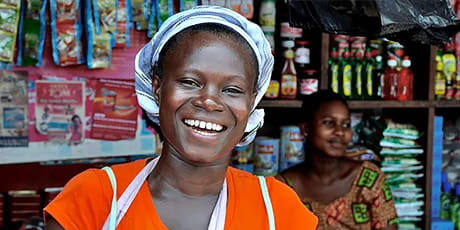 Stretching along the Atlantic coast, Ghana’s capital is the country’s largest city and its main administrative and economic center. Layers of history sit alongside rapid urban growth, where former fishing settlements like Jamestown remain active while districts such as Osu and Airport City reflect newer development. Makola Market, the Kwame Nkrumah Memorial Park, and other landmarks sit within a city shaped by both colonial history and modern expansion.
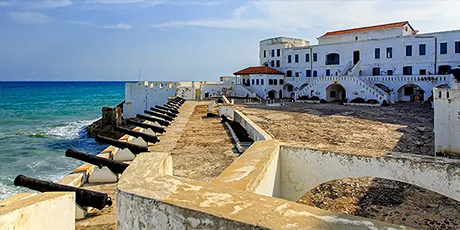 Once a major port in West African trade networks, Cape Coast is closely tied to the trans-Atlantic slave trade and its lasting legacy. Cape Coast Castle, a UNESCO World Heritage Site, sits directly on the shoreline and remains one of Ghana’s most visited historical landmarks. Beyond its heritage sites, the waterfront remains active with fishing activity, with daily life centered around the harbor and nearby markets.
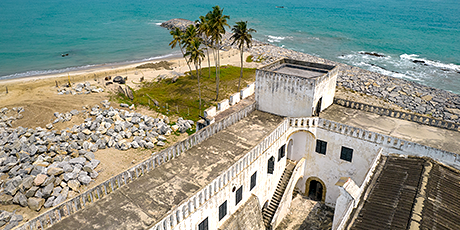 West of Cape Coast, the coastal town of Elmina is centered around St. George’s Castle (Elmina Castle), built by the Portuguese in 1482 and recognized as the oldest European-built structure in sub-Saharan Africa. The castle later passed through several European powers, reflecting shifting control along the Gold Coast. Today, fishing remains central to the town, with canoes along the shoreline and activity focused around the lagoon and harbor.
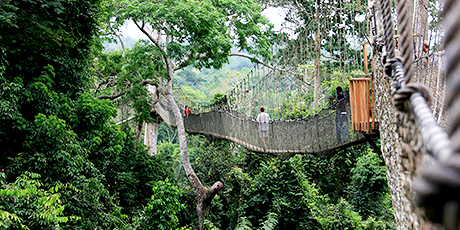 Located in southern Ghana’s Central Region, Kakum National Park protects one of the country’s remaining tropical rainforest ecosystems. It is best known for its canopy walkway, a series of suspended bridges above the forest floor that provide access to the upper levels of the rainforest. The park contains dense vegetation, rivers, and marked walking trails, with wildlife including forest elephants, primates, duikers, and a wide range of bird species adapted to the canopy environment.
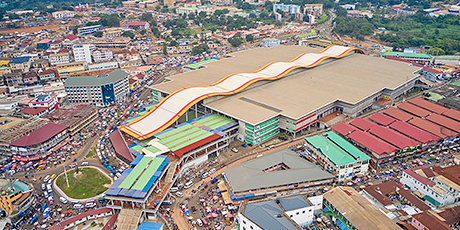 Once the seat of the Ashanti Kingdom, Kumasi remains the traditional and cultural center of the Ashanti Region and Ghana’s second-largest city. Manhyia Palace, home of the Asantehene, anchors a city that also functions as a major commercial hub. Kejetia Market draws traders from across West Africa, while transport networks and artisan industries such as textiles and gold work keep Kumasi closely tied to both regional trade and long-standing traditions.
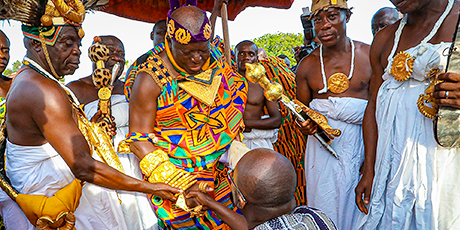 Akwasidae is a traditional Ashanti festival held every six weeks in Kumasi, following the Akan calendar system. The event takes place at Manhyia Palace and is led by the Asantehene, with ceremonies that include durbar gatherings, drumming, and the display of royal regalia. Chiefs and elders attend in formal procession, and ancestral reverence is central to the observance. The festival forms part of a wider cycle of Ashanti traditions that link governance, spirituality, and community structure.
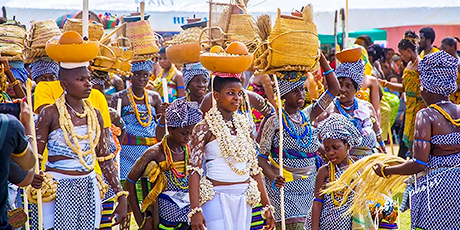 Based on oral history of migration from Notsie in present-day Togo, Hogbetsotso is an annual festival celebrated by the Anlo-Ewe people in Ghana’s Volta Region. Celebrations rotate across towns in the Anlo area, with Anloga often serving as a focal point. The festival includes processions, drumming, dancing, and gatherings of chiefs and community members, marking shared origins and identity within the Ewe tradition.
Fast Facts
Already booked on one of our packages to Ghana? See everything you need to know before you go.
| Overview | Capital: Accra |
| Entry requirements | Please see our Entry Requirements page. |
| Staying Healthy | You must provide a copy of your Yellow Fever vaccination certificate to enter Ghana. |
| Weather | Ghana enjoys a tropical climate with warm temperatures year-round. The dry season, generally from November through March, is often considered the best time to visit, while rainy seasons vary by region and typically bring short but intense showers. |
| What to wear | Lightweight, breathable clothing is recommended due to Ghana’s warm tropical climate. Comfortable walking shoes, a hat, sunscreen, and insect repellent are essential. When visiting religious or cultural sites, modest attire that covers the shoulders and knees is appreciated. A light rain jacket may be useful during the rainy season. |
| Dining | Ghanaian cuisine is known for its bold flavors and hearty dishes, with specialties such as jollof rice, grilled meats, fresh seafood, and stews served with fufu or banku. International dining options are also available in larger cities like Accra. |
| Tipping | Tipping is appreciated in Ghana, particularly for local guides, drivers, and hotel staff. In restaurants, a service charge may already be included, but additional gratuities for good service are always welcomed. Your final documents will provide guidance on customary tipping practices. |
| Money & Credit Cards | The local currency is the Ghanaian cedi (GHS). Credit cards are accepted at many hotels and larger establishments, but cash is recommended for smaller purchases, local markets, and more remote areas. ATMs are widely available in major cities. Travelers should notify their bank before departure. Always notify your bank prior to departure to avoid any problems using your credit or debit card while traveling. |
| Shopping | From colorful markets to artisan workshops, Ghana offers a wide variety of handcrafted goods, including kente cloth, wood carvings, beads, and basketry. Bargaining is common in local markets and can be part of the shopping experience. |
| Electricity & Power Adapters | Ghana uses 230V electricity and primarily Type G electrical outlets, similar to those used in the United Kingdom. Travelers from North America should bring a plug adapter and ensure devices are compatible with 220–240V power. Learn more about electrical standards around the world. |
| Cell Phones & Internet | Major cities and tourist areas generally have reliable cell coverage, though service may be limited in some rural regions. Travelers should check international roaming rates with their provider and ensure roaming is enabled or purchase an international roaming package prior to departure. An eSIM may also be a convenient option, as local SIM cards can be difficult to obtain and may not work seamlessly across borders. Want to take your cell phone, tablet or laptop, but not sure how to get cell service or wifi? Read up on using your cell phone abroad and the top 5 ways to get Internet abroad. |
| Did you know? |
|
Tours & Packages
- Destinations: Ghana
- including closed packages

Trip Reviews & Photos
We love hearing your stories and seeing your photos! Check out our entire fan photo gallery and upload your photos.